

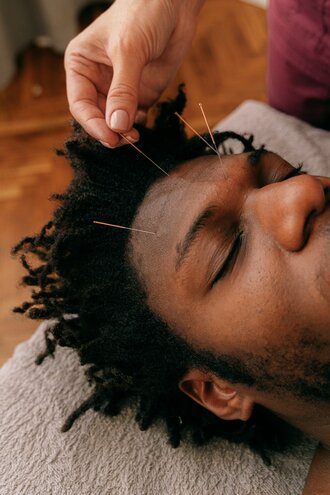
As a more holistic approach to health care, can be seen in integrative strategies taught in med schools at certain institutions, but it is still not universally available. In fact, despite the fact that more than half of med schools offer courses, only about 11% in America feature inter-professional instruction with an integrative health provider. Most importantly, principles of integrative medicine (IM) are increasingly being included in residencies like family medicine, pediatrics and psychiatry to help shape how those physicians approach the practice early in their careers.
In rapidly changing healthcare environments today, integrative medicine stands out because of the emphasis placed on a patient’s wellbeing rather than just treating of symptoms. However, integration medicine curriculum does differ amongst med schools and may include mandatory short-courses or curriculum threads that span all four years of the student’s medical education. Fortunately, in med school and during residency, these applications focus on evidence-based combinations of complementary and alternative options as a part of a practitioner’s standard practice of conventional medical care.
“Integrative medicine focuses on the whole person to provide more holistic healthcare that combines standard medical practices with evidence-based complementary therapies,” explains Dr. Hans Wolf, founder of WOLFPACC’s Physician Achievement Concept Course. “However, rather than just replacing traditional treatment options, integrative strategies combine mainstream medicine and surgical options with complementary therapies for better outcomes.” Today, many evidence-based strategies are supported by more recent scientific research for both safety and effectiveness.
Did the pandemic boost integrative medicine?
Yes, it did. The onset of COVID-19 reminded the medical world how critical it is to have systems in place to take advantage of preventative positions, especially when standard treatment options are not available for a novel viral strain. Although the Global Health Security Index ranked the U.S. as the best prepared country in the world for a pandemic in 2021, a review published by the School of Public Health at Brown University explained why the nation best-prepared didn’t fared so well.
Although Americans accounted for less than 5% of the world’s population, it officially reported more than 15% of COVID deaths (around 6.5 million), as it failed to make full use of the preparedness capacities it had at the time. However, without a full audit, these conclusions are only suggestive. Nonetheless, the pandemic proved how important it is to apply integrative strategies to take full advantage of the traditional, complementary and alternative options to help prevent deadly chronic conditions.
Expansion of Integrative Medicine for Wellness
Integrative medicine’s emphasis on wellness and prevention makes it an ideal strategy for addressing the root causes of any disease to help prevent potentially deadly conditions before they develop. Today, medical schools offer it as an elective or a specialized track for interested students, while others include curriculum threads and short-courses that span all four years. Approximately 50% of U.S. medical schools do offer at least one course or clerkship in complementary and integrative health.
Despite this growth, many medical students still report that their training in these areas is limited when compared to core sciences like anatomy or pharmacology. Additionally, both allopathic and osteopathic physicians can pursue further specialization through Integrative Medicine Fellowships after graduating from conventional medical school. Several high-ranking medical institutions have formalized integrative medicine departments or longitudinal programs. Shifting strategies from just treating disease to promoting health and healing.
Curriculum integration at institutions like the University of Arizona, UCLA, UC Irvine, University of Cincinnati, and Harvard Medical School provide training on incorporating lifestyle, nutrition, and non-pharmacologic approaches to pain management. Although IM presence varies significantly between institutions, the integrative approach is frequently offered through certificate programs, residency and fellowships, such as Integrative Medicine Residency, Thomas Jefferson University, Wake Forest School of Medicine, and University of Michigan.
Complementary Approaches for Whole-Person Care
An integrative approach combines standard Western medicine with evidence-based complementary therapies to deliver the best whole-person care. Rather than focusing on an individual’s symptoms, it emphasizes the need for a practitioner to work closely with the patient to create a personalized plan for their physical, emotional, mental, and spiritual needs. This can include mind-body techniques like mindfulness-based stress reduction, massage therapy, nutritional counseling, and supportive programs like sleep hygiene.
“If you’re a medical student or IMG pursuing residency, integrative medicine is frequently used today to manage chronic conditions like cancer, fibromyalgia, metabolic syndrome, autoimmune disorders, and chronic pain,” adds Dr. Wolf. “Treatments are personalized to meet each patient’s unique needs to restore overall balance while they heal from a medical condition or injury. Med students who are interested in whole-person care need to understand the safety and efficacy of integrating conventional practices with complementary therapies.”
Due to the whole person focus, practitioners of integrative medical strategies look beyond the patient’s symptoms and consider the interconnective nature of biological, behavioral and social factors. Many doctors utilizing integrative medicine emphasize the importance of IM’s four complementary foundations for whole person care, which includes nutrition, stress management, exercise, and sleep. The goal of using less-invasive, natural options before progressing to more complex solutions should be minimal intervention for optimal outcomes.
Key principles of integrative medicine legitimate…
Many institutions, professionals, and patients consider an integrative approach to be legitimate and much needed. After all, it combines conventional treatments from the standard practice of medicine with evidence-based complementary therapies. By focusing on holistic healthcare for the whole person, it simply adds to rather than replaces traditional medicine. Additionally, integrative doctors must complete med school to earn an MD or DO, followed by residency, and then pursue the additional training or fellowships. Its core principles include:
- 1) Patient-Practitioner Partnership: The healing process is a collaborative partnership between the doctor and the patient.
- 2) Holistic Focus: It considers all factors that influence health, including physical, emotional, spiritual, and community-based factors.
- 3) Innate Healing Response: Treatments are designed to support and facilitate the body’s natural ability to heal itself.
- 4) Best of Both Worlds: It uses all appropriate therapeutic approaches from conventional and complementary medicine to maximize health.
- 5) Less Invasive First: Whenever possible, practitioners prioritize less-invasive interventions before moving to more intensive procedures.
- 6) Evidence-Based Science: All recommendations are grounded in science rather than accepting alternative therapies without critical review.
- 7) Prevention and Wellness: There is a paramount focus on health promotion, illness prevention, and healthier lifestyle choices.
- 8) Practitioner Self-Development: Providers are expected to exemplify the principles of healthy living and commit to ensure their personal growth.
Integrative health care is most effective when it includes strong patient-clinician communication regarding one’s long-term goals for healthy living. So, medical students who are interested in providing holistic solutions must learn how to use complementary therapies with conventional solutions, which requires both a standard medical degree as well as specialized certifications to practice integrative medicine. In the long run, this approach can help manage symptoms while potentially reducing dosage of side-effect-prone medications and more invasive procedures.
Photo credit Antoni Shkraba (pexels.com)
________________________
In our rapidly evolving healthcare landscape, integrative strategies offer a patient-centered approach that strengthens trust and optimizes medical care. By combining the latest science with practiced traditions of healing, it expands the boundaries for today’s medical students to treat the whole patient with the best combination of conventional, alternative and complementary solutions. Since medical school itself takes so much of your time and effort to become a doctor, WOLFPACC was developed to provide allopathic and osteopathic students with a powerful approach to practicing medicine. If you are a medical student or IMG who wants or needs to score well on any USMLE or COMLEX-USA medical licensing exam, Dr. Wolf and his team of professionals look forward to helping you reach your goals.