

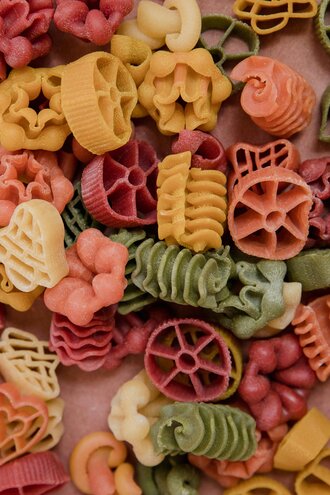
If you are a medical student or IMG, learn more from Dr. Hans Wolf about why “Red Dye No. 3 Banned After 45 Years” is linked to your medical studies.
Although discovered in 1876 and initially used to dye cloth made from wool or silk, Red Dye No. 3 (erythrosine) was legalized for use as a food dye in the United States in 1906. However, scientific studies in the 1980s linked the food colorant to thyroid cancer in male rats, which led to ban on its use in America in 1990 as an ingredient in cosmetics and topical drugs. Unfortunately, the government did not ban the consumption of Red Dye No. 3 in food products and oral drugs.
Originally, following implementation of the U.S. Pure Food and Drug Act of 1906 that was intended to replace toxic heavy metal colorings, the Food and Drug Administration approved the use of erythrosine in food and the colorant was renamed Red Dye No. 3 for use by manufacturers in America. Following the ban of the colorant’s topical uses in 1990, the FDA stated it would take separate actions to remove the cherry-red synthetic additive from food and orally ingested drugs.
But, the government agency did not follow through on that promise for over three decades citing food industry pressures from groups like the maraschino cherry industry that picked the popular processed fruit when the cherries were green. Nonetheless, public outcry and petitions from groups like the Center for Science in Public Interest (CSPI) pinpointed our long history against harmful additives under the “better safe than sorry” mentality the government had adopted in support of food safety regulations against potentially cancer-causing ingredients.
“As far back as the 1950s, Congress enacted a food additives amendment that banned any ingredient linked to causing cancer in humans or animals,” says Dr. Hans Wolf, the founder of WOLFPACC’s Physician Achievement Concept Course. “Even though manufacturers were required to prove food additives were safe for consumption, the new law included an exemption for substances that had been ‘generally recognized as safe’ by experts based on a history of use.” Decades later a food quality protection act replaced the zero-risk tolerance policy with a reasonable certainty of no harm for additives.
Practice of Coloring Food is Ancient
The practice of coloring food is not a modern invention and dates back to ancient civilizations. Early humans used natural ingredients to enhance the appearance of their food for aesthetic, ceremonial, and symbolic reasons. The Egyptians, for example, used natural extracts and wine to make foods more appealing. Other common colorants included saffron and turmeric for yellow hues, beet juice for red, and even squid ink for black in Asian and Mediterranean cooking.
The Aztecs famously used carmine, a vibrant red dye derived from cochineal insects found on cacti, which is a colorant that is still in use today. For the ancient Romans and Greeks, expensive dyes were a symbol of power and status. Tyrian purple, a costly dye extracted from sea snails, was highly prized by the wealthy. Romans also experimented with mineral-based dyes like lead and chalk to color their food and wine, often with toxic consequences.
As societies evolved, so did the use of food dyes. During the Middle Ages, vibrantly colored foods remained a luxury reserved for the affluent, as exotic spices and dyes were expensive. However, this period also saw a rise in food adulteration, where deceitful merchants used cheaper, often poisonous, substances like lead to mimic the appearance of higher-quality products. It wasn’t until the 19th century that a significant turning point marked a difference with the invention of synthetic food dyes.
The beginning of food dye regulation…
In 1856, English chemist William Henry Perkin accidentally created mauveine, the first synthetic organic dye, from a coal-tar byproduct. This discovery led to the development of numerous cheap, bright, and stable synthetic dyes derived from petroleum and coal. The food industry quickly adopted these new colors to enhance product appearance or, in some cases, to conceal poor quality and spoilage. But, with over 80 artificial dyes in use and little regulation, many foods contained poisonous substances like arsenic, lead, and mercury.
“I have here . . . a number of adulterated articles. Here is a bottle of cherries, originally picked green, in order that they might be firm, with the green color all taken out with acid until they were perfectly white, and then colored with an aniline dye which is poisonous in any quantity.”
Rep. James Mann (Illinois), Speech to the U.S. House in 1906
When American muckraker journalist Upton Sinclair published The Jungle in 1906, his shocking revelations about meat production practices and food adulteration sparked nationwide fury. The public demanded action, and Congress responded by passing the Pure Food and Drug Act, which banned poisonous pigments in food and marked the federal government’s first major step into food regulation. This pivotal moment established the principle that protecting public health was a government responsibility.
Progressive Era Colorant Laws
Food safety regulations didn’t happen overnight. It was during the Progressive Era that Congress approved the first federal regulations protecting consumer health and food safety. The earliest food coloring laws prohibited the sale of misbranded or adulterated food and drugs and laid the foundation for the nation’s first consumer protection agency. However, it was public crises that highlighted the need for government regulations to oversee food safety, which continued to evolve with legislative actions that included:
The Food and Drugs Act of 1906: This groundbreaking legislation didn’t just create what we now know as the FDA; it tackled a serious problem with food coloring that was making people sick. The new regulations put an end to risky acts like manufacturers use of poisonous coloring agents to hide the fact products were low-quality or spoiled. Out of more than 80 synthetic dyes that were examined, only seven made the cut for safe use.
The Seven Synthetic Organic Dyes of 1907: The U.S. Department of Agriculture originally approved seven synthetic dyes, including colors like Ponceau 3R (Red No. 1) and Amaranth (Red No. 2). However, as safety standards evolved over time, most of these original colors were delisted. Only one, Indigotin (Blue No. 2), remains on the FDA’s approved list today. In a recent move, Red No. 3 was banned in 2025 for use in food and ingested drugs after studies had linked it to cancer in lab animals.
The Federal Food, Drug, and Cosmetic Act of 1938: Under this 1938 Act, the government launched its landmark legislation that introduced several critical changes, which still impact us today. It mandated that all color additives be tested and proven safe before use, creating the “FD&C” naming system we still see on labels today. The act also addressed deceptive packaging, established legally enforceable food standards, and formally authorized factory inspections.
Health concerns drove the ban of early synthetic food dyes, especially after studies linked them to cancer and other toxic effects in animals and humans. At times, food regulators did not always wait for definitive proof, when health concerns were clinically identified. Even without confirmed human carcinogenicity, animal and cell culture studies showing potential risks were enough to get these colorings delisted when safety couldn’t be guaranteed and the given dye was removed from the approved list, as a precaution.
Recent Regulatory Food Dye Actions
Early bans and delisting of food dyes were driven by evolving regulatory standards and increasing scientific knowledge regarding increased health risks to consumers. Fast-forward to today, and food dyes face strict oversight from federal agencies. Every colorant must undergo rigorous testing and certification before it can appear in our food supply, and manufacturers are required to list all colorants clearly on ingredient labels.
The Color Additive Amendments of 1960: Following a Halloween candy scare, the feds introduced amendments that would require manufacturers to prove the safety of their color additives. One of these, the “Delaney Clause,” banned any food additive shown to cause cancer in humans or animals. This clause was the direct reason for several bans, including the most recent one issued for Red No. 3.
The Ban on Red Dye No. 2 in 1976: The 1976 FDA ban on Red No. 2 marked a turning point in how we think about food additives. Public outcry and questionable research findings forced regulators to take action, sparking a broader conversation about what we’re really putting in our food based on evidence of potential harm. The government adopted The Precautionary Principle (better safe than sorry) mentality that would shape food safety regulations for decades to come.
Renewed Regulatory Action in 2025: In April 2025, the government announced it would begin phasing out all petroleum-based synthetic dyes from use in food products. Thanks to groups like the CSPI, the FDA was pushed to ban Red Dye No. 3 based on the 1980 studies that linked the dye to thyroid cancer in rats. Citing the Delaney Clause, the FDA had first banned the dye from topical products in 1990 and now expanded their ban to include food products as of 2025.
“Consumers of food products containing controversial food coloring must wait for manufacturer’s compliance after the FDA’s recent ban on Red No. 3 food dye,” adds Dr. Wolf. “Unfortunately, foods containing this carcinogenic colorant can still be found on shelves until Jan 16, 2027, and Jan 18, 2028 for oral drugs. So keeping up with the latest findings of how cancer cells can utilize the body’s unique pathways to fuel growth and progression is an important part of one’s studies.”
While the most recent ban on certain additives marks a positive development, many believe there is still significant work to be done in reforming the food chemical regulatory system. According to the Center for Science in the Public Interest, the FDA is responsible for protecting consumers from potentially harmful food and color additives. The CSPI argues that the agency should proactively delist unsafe food chemicals, preservatives, and packaging materials, rather than waiting for external pressure from consumer groups or new state legislation.
Photo credit RDNE Stock Project
_______________________
Although the Trump Administration could take steps to protect people from questionable chemicals in support of the FDA’s broader post-market assessment efforts, enforcement of regulations based on the 1980 findings will have taken half a century. Dr. Hans Wolf devoted decades to developing WOLFPACC’s Power 5 Methodology that helps medical students understand how to apply the basic sciences they learned in medical school to the clinical task at hand. Find out today how WOLFPACC can help you apply the knowledge you’ve gained to ensure a successful career in medicine.